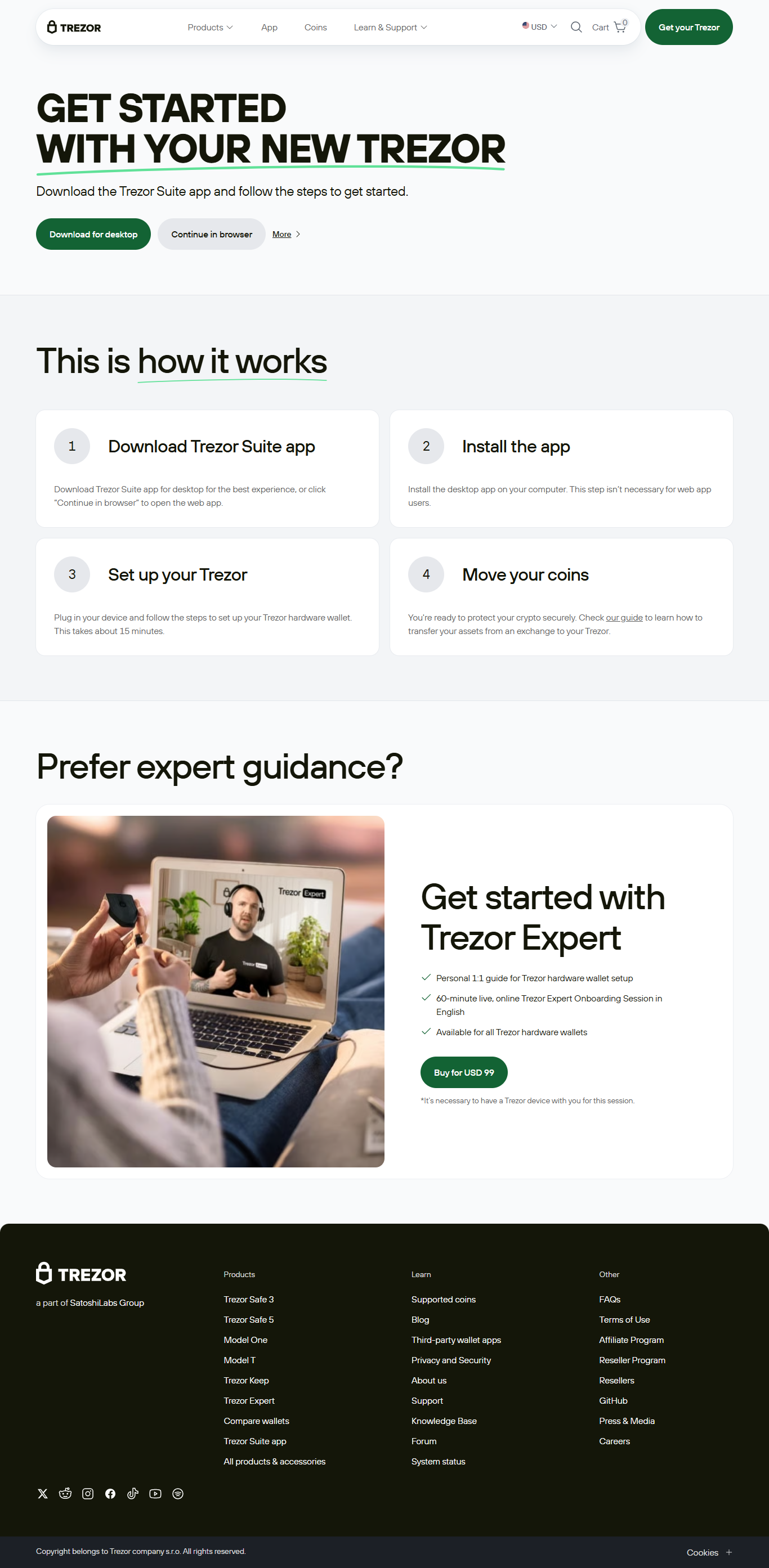
Trézór Bridge®™ | Secure Crypto Connectivity
In the fast-evolving world of cryptocurrency, security and connectivity stand as the twin pillars that define the quality of a crypto experience. One of the greatest challenges for crypto users today is bridging traditional software wallets with hardware wallets while keeping security airtight and user experience seamless. Enter Trézór Bridge®™ — a powerful technology that enables secure crypto connectivity between your hardware wallet and software interfaces such as the Trezor Suite.
With growing threats from online hacks and phishing attacks, users are more aware than ever about safeguarding their digital assets. Trézór Bridge®™ integrates robustly into the ecosystem, allowing safe communication with your Trezor device whenever you manage transactions, view balances, or update firmware. Whether you are a long-time crypto investor or just getting started with your first Bitcoin or Ethereum purchase, knowing how Trezor Bridge, Trezor Suite, and the official setup path via trezor.io/start work together is critical.
What Is Trézór Bridge®™?
Trézór Bridge®™ is a connectivity interface — a secure middleware — designed to allow your Trezor hardware wallet to communicate safely with your computer or mobile device. While the term “bridge” might imply mere connection, Trezor Bridge serves much more than a technical link; it is a security gateway that ensures encrypted communication between the Trezor device and crypto management software like Trezor Suite.
Key Functions of Trezor Bridge:
Secure Communication: Ensures cryptographic commands between your device and software cannot be intercepted.
Hardware Integration: Provides device detection and authorized command execution.
Compatibility Layer: Enables Trezor devices to work across various operating systems without relying on browser extensions.
User Authorization: Each sensitive action requires explicit physical confirmation on the hardware wallet itself.
With Trezor Bridge, your device becomes a fortress that stands between your private keys and any online vulnerability.
Why Secure Crypto Connectivity Matters
Cryptocurrency security is not just about one feature — it’s a holistic ecosystem that includes hardware, software, user practice, and secure connectivity. A secure crypto connection prevents unauthorized access during critical actions like:
Signing transactions
Viewing account balances
Installing firmware updates
Restoring wallet backups
Without a secure bridge, your device could be exposed to malware or browser-based threats. That’s why Trézór Bridge®™ is a fundamental part of the Trezor ecosystem.
How Trezor Bridge Works with Trezor Suite
Trezor Suite is the official application that allows you to manage your crypto assets. It offers portfolio tracking, transaction history, coin swaps, and network fee management. To connect your hardware device to Trezor Suite, you must install Trezor Bridge.
Here is how the workflow looks:
Download Trezor Suite: Visit the official site or access via trezor.io/start.
Install Trezor Bridge: The connection layer that allows your device to communicate securely with Suite.
Connect Trezor Device: Using USB or supported interfaces.
Authorize Actions: Every major step requires user verification on the device itself.
Manage Assets: You now can send, receive, or track your coins.
This process strengthens the link between your cold storage (offline keys) and your active management tools (online interface).
Step-by-Step: Setting Up Trezor Bridge and Trezor Suite
Step 1: Visit the Official Setup Page
Navigate to trezor.io/start — the first essential step in launching your secure crypto journey. This official portal guides you to download the correct tools.
👉 Note: Always ensure you are on the official website to avoid fake installers.
Step 2: Install Trezor Suite
Download the latest version of Trezor Suite based on your operating system. Trezor Suite is your command center for crypto management.
💡 Tip: Save the installer to your device and follow your system prompts.
Step 3: Install Trezor Bridge
During setup, you’ll be prompted to install Trezor Bridge. This is required for connectivity—without it, your Suite cannot detect your device.
Step 4: Connect Your Hardware Wallet
Using a USB cable (or other supported connection), plug in your Trezor device. Trezor Bridge facilitates secure handshaking between the hardware and Suite.
Step 5: Authorize in Trezor Suite
Once connected, open Trezor Suite. You’ll see a prompt to verify on your hardware wallet screen — ensuring that only you can permit access.
Benefits of Trézór Bridge®™
Here’s why Trezor Bridge is indispensable:
✅ Security-First Architecture
Encrypted communication reduces attack vectors.
✅ Easy Device Detection
Automatic detection across platforms without browser extensions.
✅ Seamless User Experience
Fast and secure transactions using Trezor Suite.
✅ Enhanced Compatibility
Supports major operating systems such as Windows, macOS, and Linux.
Common User Scenarios
🔹 Daily Crypto Management
With Trezor Suite and Trezor Bridge, managing everyday transactions becomes simple and secure.
🔹 High-Value Transfers
Before signing large transfers, your device verifies your intent with physical confirmation.
🔹 Multi-Asset Portfolios
Track all assets in one place with the peace of mind that your private keys never leave the hardware.
Troubleshooting Tips
Sometimes users experience difficulties. Here’s what you can do:
📍 Device Not Detected?
Make sure that Trezor Bridge is properly installed and that the cable and USB ports are functioning.
📍 Suite Shows “No Device”?
Restart Suite, reconnect the device, and verify that you have agreed to the security prompt on the hardware wallet.
📍 Updates Not Installing?
Check your OS permissions and internet connectivity. Always update to the latest Trezor Suite version.
Security Best Practices
Always use the official portal: Start every session at trezor.io/start.
Verify device prompts physically: Never approve actions without confirming on the hardware.
Keep software updated: Install the newest versions of Trezor Bridge and Trezor Suite.
Use strong physical security: Treat your hardware wallet like a key to a safe.
Integrating Blockchain Assets with Confidence
As blockchain adoption grows, secure connectivity tools like Trézór Bridge®™ are not optional — they’re essential. Combining Trezor Bridge with Trezor Suite and an official setup path via trezor.io/start helps ensure that your crypto management is seamless, secure, and intuitive.
Whether you’re new to the space or an experienced holder, this integrated architecture empowers you to take control of your private keys, transactions, and assets with confidence.
Final Thought
In the world of decentralized finance, there’s no room for half-measures when it comes to security. With Trézór Bridge®™, Trezor Suite, and the official setup via trezor.io/start, you get an entire ecosystem built around safety and usability. The strength of your crypto strategy lies in protecting your keys and managing connectivity with tools you can trust. Secure crypto connectivity isn’t just a feature — it’s peace of mind.
Frequently Asked Questions (FAQ)
1. What is Trezor Bridge and why do I need it?
Trezor Bridge is a secure interface that allows your Trezor hardware wallet to communicate with apps like Trezor Suite. Without it, your computer will not detect your device securely.
2. Is Trezor Bridge safe to install?
Yes, provided you download it only from the official site via trezor.io/start. It uses encrypted channels to connect your hardware wallet.
3. Can Trezor Suite work without Trezor Bridge?
No. The Suite requires Trezor Bridge for safe and full communication with your hardware device.
4. What operating systems support Trezor Bridge?
Trezor Bridge supports major desktop platforms such as Windows, macOS, and Linux.
5. What should I do if my device isn’t recognized?
Reinstall Trezor Bridge, try alternate USB ports, confirm device unlock, and check Suite prompts.
6. Will installing Trezor Bridge compromise my private keys?
No. Trezor Bridge does not access or store private keys — it only enables encrypted communication.
7. How often does Trezor Suite update?
Trezor Suite receives regular updates; always install the newest version for security patches and features.
8. Is Trezor Bridge free?
Yes — it is included as part of the official Trezor ecosystem when you install Trezor Suite.
9. Can I use Trezor Bridge on mobile devices?
Compatibility depends on the platform and app support; however, desktop use via Suite is the standard.
10. Where can I get support for Trezor Bridge?
Visit the official Trezor help center linked from trezor.io/start for guides and community support.